


Christian water baptism
Christian water baptism is a sacred ordinance that carries profound spiritual significance. It symbolizes several key aspects of the believer’s faith and relationship with God. Here are some of the spiritual meanings associated with Christian water baptism: 1. Identification with Christ’s Death, Burial, and Resurrection • Baptism represents the believer’s identification with Jesus’ death, burial, and resurrection (Romans 6:3-5). Being immersed in water signifies dying to sin and being buried with Christ, while rising from the water symbolizes being raised to new life in Him. 2. Public Declaration of Faith • Baptism serves as an outward expression of an inward transformation. It is a public declaration that the believer has accepted Jesus Christ as Lord and Savior, acknowledging His redemptive work. 3. Repentance and Cleansing • Water baptism signifies repentance and the washing away of sins (Acts 2:38, Acts 22:16). It illustrates the believer’s decision to turn away from a sinful life and walk in purity and obedience to God. 4. New Birth and New Identity • Baptism marks the believer’s spiritual rebirth and entrance into the family of God (John 3:5, Galatians 3:27). It symbolizes leaving behind the old self and embracing a new identity as a child of God. 5. Obedience to Christ’s Command • Jesus commanded His followers to be baptized (Matthew 28:19-20). Participating in baptism demonstrates obedience to this command and willingness to follow His example (Matthew 3:13-17). 6. Union with the Body of Christ • Baptism signifies unity with other believers in the body of Christ (1 Corinthians 12:13). It is an initiation into the community of faith, where believers share in fellowship and accountability. 7. Spiritual Empowerment • For some, baptism is associated with the receiving of the Holy Spirit. Acts 2:38 connects repentance, baptism, and the gift of the Holy Spirit, signifying empowerment for Christian living and ministry. 8. A Covenant Relationship • Baptism is a covenant act, symbolizing a believer’s commitment to live under the Lordship of Christ and God’s promise to be with His people forever (Colossians 2:11-12). Conclusion Water baptism is not just a ritual; it is a deeply symbolic act of faith that reflects a believer’s spiritual transformation and commitment to Christ. While the act itself does not save, it is a vital step of obedience that demonstrates the believer’s devotion to God and willingness to walk in the newness of life.

How to Detect witchcraft activities
Detecting witchcraft activities in your family can be challenging, as these practices often operate in secrecy and may manifest in subtle, spiritual, or physical ways. Below are some potential signs to consider, both spiritually and practically, while maintaining discernment: 1. Persistent Misfortunes• Repeated financial difficulties despite hard work and good management.• Chronic illnesses that defy medical diagnosis or persist after treatment.• Marital strife or breakdowns without clear cause.• Unexplainable barrenness or miscarriages across generations. 2. Spiritual Signs• Recurring nightmares involving dark figures, snakes, or strange rituals.• Seeing unusual animals like black cats, owls, or snakes behaving strangely around your home.• Experiencing oppressive atmospheres in your house, especially at night.• Unexplained objects found in or around your home (e.g., charms, powders, animal bones). 3. Stagnation or Blockages• Consistent failure at the edge of breakthrough in careers, businesses, or opportunities.• Talents or skills going unnoticed despite consistent effort.• A cycle of backwardness or regression in life when others are progressing. 4. Unexplained Deaths or Accidents• Frequent premature deaths in the family.• Strange accidents or occurrences affecting multiple family members.• Patterns of suicide or sudden mental illnesses. 5. Unusual Behavior in Family Members• A family member showing unusual secrecy, isolation, or unexplained wealth.• Erratic, violent, or uncontrollable behavior without a clear cause.• Disinterest or hostility toward prayer, spiritual gatherings, or the Bible. 6. Resistance to Spiritual Practices• Difficulty praying, fasting, or reading the Bible within the household.• Resistance or hostility from certain family members when deliverance or healing prayers are conducted.• Strange manifestations during family prayer sessions (e.g., someone screaming, fainting, or reacting violently). 7. Generational Patterns• Repeating cycles of poverty, addiction, or certain sins across multiple generations.• Frequent family feuds or divisions that seem fueled by external forces. 8. Revelations Through Prayer or Prophecy• Words of knowledge, visions, or revelations during prayer that point to witchcraft activities.• A discernment or conviction in your spirit about the presence of occult practices.

Signs of Spiritual Monitoring spirit
If you feel you are being monitored by evil or experiencing spiritual oppression, it is crucial to approach the matter prayerfully and with discernment. Here are signs that may indicate spiritual monitoring or evil observation, as well as guidance for dealing with it: Signs of Spiritual Monitoring or Evil Observation1. Recurring Nightmares or Disturbances: Repeated dreams involving surveillance, being followed, or strange entities.2. Unexplained Fear or Oppression: A sudden feeling of being watched or a heavy, oppressive atmosphere in your environment.3. Unusual Events: Objects in your home moving or strange, unexplained noises4. Sudden Obstacles: Constant setbacks in specific areas of your life, especially when you are close to breakthroughs.5. Loss of Spiritual Clarity: Difficulty praying, reading the Word, or hearing from God.6. Unexplained Fatigue or Illness: Persistent tiredness or sickness that doctors cannot diagnose or treat effectively.7. Divine Prompting: A sense from the Holy Spirit that something is spiritually wrong or needs attention.8. Strange People or Encounters: Regularly encountering people or individuals who seem to know details about you without reason.9. Tech Issues or Surveillance: Inexplicable issues with devices (phones, computers) that might signal technological monitoring combined with spiritual interference. Biblical Insights on Monitoring Spirits• Psalm 91:11: God sends angels to watch over us; the enemy counterfeits this by sending monitoring spirits.• Job 1:7: Satan roams the earth, watching and seeking whom he may attack.• 2 Corinthians 2:11: Be aware of Satan’s schemes to avoid being outwitted. How to Protect Yourself Spiritually1. Prayer for Divine Protection:• Pray daily for covering by the blood of Jesus (Revelation 12:11).• Declare Psalm 91 over your life and home.2. Discernment Through the Holy Spirit:• Ask God for wisdom and discernment (James 1:5).3. Anointing and Sanctification:• Anoint your home and yourself with oil, asking God to sanctify your space.4. Engage in Warfare Prayers:• Bind and rebuke monitoring spirits in the name of Jesus (Matthew 18:18). 5. Destroy Monitoring Channels:• Pray against any spiritual mirrors, surveillance devices, or altars being used to observe you.6. Stay Spiritually Equipped:• Wear the full armor of God (Ephesians 6:10–18).• Maintain a life of holiness and righteousness.7. Seek Deliverance if Needed:• Engage with trusted spiritual leaders for prayer and deliverance.8. Use Physical Discernment:• Monitor for physical surveillance, but address it spiritually first. A Sample Prayer Against Monitoring Spirits “Heavenly Father, I come to You in the name of Jesus Christ. I thank You for Your divine protection and the authority You have given me. I cancel every assignment of monitoring spirits against my life, family, and destiny. I blind every evil eye watching me and destroy every demonic altar or channel being used against me. I cover myself with the blood of Jesus and decree that no weapon formed against me shall prosper. Let Your angels surround me, and let every scheme of the enemy be exposed and nullified. In Jesus’ name, Amen.” Final Thoughts Evil monitoring thrives on fear, sin, and ignorance. The most effective way to counteract it is by staying close to God, walking in holiness, and standing firm in your authority through Christ.
Fast and prayer
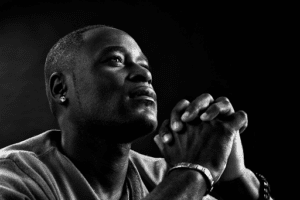
Fasting can be a powerful spiritual discipline to break the chains, particularly addiction by focusing your heart on God, strengthening your will, and inviting divine intervention. Biblically, fasting is often associated with spiritual breakthrough, deliverance, and empowerment to overcome fleshly desires and demonic strongholds. 1. Fasting Helps Deny the FleshFasting weakens the physical desires of the flesh and strengthens the spirit. Addictions often result from indulgence in fleshly desires, whether substances or harmful habits. By denying the body through fasting, you grow in self-control, which is vital to breaking the cycle of addiction.Galatians 5:16 says, “So I say, walk by the Spirit, and you will not gratify the desires of the flesh.” Fasting is one way to strengthen that walk with the Spirit 2. Spiritual WarfareFasting amplifies prayer, often seen as a tool for spiritual warfare. Some things can be spiritual strongholds. Jesus taught that certain kinds of demonic oppression require not only prayer but also fasting to break. Mark 9:29 (NKJV): “This kind can come out by nothing but prayer and fasting.” In this passage, Jesus emphasizes the power of fasting in conjunction with prayer to break deeply rooted spiritual bondages, including those that may fuel addiction. 3. Deliverance and RestorationIsaiah teaches that fasting is a powerful tool for breaking chains of bondage. In a spiritual sense, this applies to addiction as well. Isaiah 58:6: “Is not this the fast that I choose: to loose the bonds of wickedness, to undo the straps of the yoke, to let the oppressed go free, and to break every yoke?” This verse suggests that fasting can break the spiritual yokes that bind people, such as addiction. 4. Humility and Dependence on God Fasting fosters humility, teaching you to depend on God’s strength, not your own. Spiritual stronghold can often overwhelm a person’s ability to overcome by sheer willpower, but in fasting, we invite God’s intervention to deliver us. 2 Chronicles 7:14: “If my people, who are called by my name, will humble themselves and pray and seek my face and turn from their wicked ways, then I will hear from heaven, and I will forgive their sin and will heal their land.” Through fasting, one can humble themselves before God, seeking healing and deliverance from addiction.In summary, fasting brings spiritual breakthrough by denying the flesh, engaging in spiritual warfare, seeking deliverance, and humbling oneself before God for His intervention. Combined with prayer and a heart seeking God, fasting creates an atmosphere where God can bring about the victory over the devil. DIFFERENT TYPE OF FASTINGFasting is a spiritual discipline practiced in various forms across different religious and cultural traditions, often aimed at deepening one’s relationship with God, gaining clarity, or seeking divine intervention. Below are different types of fasting and their significance: 1. Partial Fast• Description: Restricting certain types of food or meals during specific times of the day.• Biblical Example: The Daniel Fast, where Daniel abstained from rich foods, meats, and wine Daniel 10:3 “I ate no choice food; no meat or wine touched my lips; and I used no lotions at all until the three weeks were over.” • Importance: A partial fast helps in developing discipline by setting aside certain indulgences. It’s often used for focused prayer, consecration, and spiritual renewal. 2. Intermittent or Time-Based Fast/ Regular or Normal Fast• Description: Abstaining from food for specific hours of the day, usually followed by a period of eating.• Common Practice: Many Christians fast from sunrise to sunset and then break the fast in the evening. • Importance: Time-based fasting helps cultivate self-control and focus on spiritual disciplines during the fasting hours, often enhancing prayer and reflection. 3. Absolute or Dry Fast• Description: Complete abstention from all food and water for a specific period. • Biblical Example: Esther called for a three-day fast without food or water to seek deliverance for the Jewish people Esther 4:16. “Go, gather together all the Jews who are in Susa, and fast for me. Do not eat or drink for three days, night or day. I and my attendants will fast as you do. When this is done, I will go to the king, even though it is against the law. And if I perish, I perish.” • Importance: This intense form of fasting is typically done in desperate times of seeking urgent intervention or repentance. It is an expression of complete reliance on God. 4. Corporate or Congregational Fast • Description: A group or community fast where the entire body of believers fast together for a unified purpose. • Biblical Example: The people of Nineveh fasted together to avert God’s judgment Jonah 3:5-10. “The Ninevites believed God. A fast was proclaimed, and all of them, from the greatest to the least, put on sackcloth. When Jonah’s warning reached the king of Nineveh, he rose from his throne, took off his royal robes, covered himself with sackcloth and sat down in the dust. This is the proclamation he issued in Nineveh: “By the decree of the king and his nobles: Do not let people or animals, herds or flocks, taste anything; do not let them eat or drink. But let people and animals be covered with sackcloth. Let everyone call urgently on God. Let them give up their evil ways and their violence. Who knows? God may yet relent and with compassion turn from his fierce anger so that we will not perish.” When God saw what they did and how they turned from their evil ways, he relented and did not bring on them the destruction he had threatened.” • Importance: Corporate fasting builds unity and collective strength in prayer, particularly in times of crisis, repentance, or seeking revival. 5. Supernatural Fast• Description: An extended fast, typically 40 days, without food or water, sustained solely by divine intervention. • Biblical Example: Moses and Jesus fasted for 40 days without food or water when he received the Ten Commandments Exodus 34:28. “Moses was there with the LORD forty days and forty nights without eating

Mental illness and Spiritual Afflictions
Mental illness and spiritual afflictions are topics that often intersect, especially within religious communities. Here’s a breakdown of how they are viewed and understood: 1. Mental Illness • Definition: Mental illness refers to a wide range of mental health conditions—disorders that affect mood, thinking, and behaviour. Examples include depression, anxiety disorders, schizophrenia, eating disorders, and addictive behaviours. • Causes: Mental illnesses are often attributed to a combination of genetic, biological, environmental, and psychological factors. Trauma, stress, chemical imbalances in the brain, and inherited traits are common contributors. • Treatment: Mental health conditions are typically treated through a combination of medication, therapy, and lifestyle changes. In some cases, support from family and community is also crucial. 2. Spiritual Afflictions • Definition: Spiritual afflictions refer to conditions believed to be caused by spiritual forces or entities, such as demonic oppression, possession, curses, or the influence of evil spirits. These are often viewed as attacks on a person’s soul or spirit rather than their mind or body. • Causes: Spiritual afflictions are often seen as the result of involvement with the occult, sin, generational curses, or direct attacks by demonic forces. They may also be perceived as a consequence of straying from spiritual practices or moral behaviour. • Treatment: Treatment usually involves spiritual practices such as prayer, fasting, deliverance, exorcism, or other rituals aimed at breaking the power of the afflicting spirit. Pastoral counselling and guidance from spiritual leaders are also common approaches. 3. Intersection of Mental Illness and Spiritual Afflictions • Differentiation: In some religious communities, there can be a challenge in differentiating between mental illness and spiritual afflictions. For example, symptoms like hearing voices or experiencing intense fear might be interpreted as either a mental health condition (such as schizophrenia or anxiety) or a spiritual issue (like demonic oppression). • Integrated Approach: Some faith communities advocate for an integrated approach that considers both spiritual and medical perspectives. This might involve seeking medical treatment for a mental health condition while also engaging in spiritual practices to address any potential spiritual components. 4. Pastoral Role • Discernment: As a pastor, discernment is crucial in helping individuals navigate these complex issues. It may involve consulting with mental health professionals to understand the psychological aspects while also providing spiritual care. • Holistic Care: Encouraging a holistic approach that includes prayer, counseling, and medical intervention when necessary can be vital in addressing both mental illness and spiritual afflictions. In your ministry, especially in the field of healing and deliverance, understanding and compassionately addressing both aspects can make a significant impact on those seeking help.

New Age practices pose several spiritual dangers
From a Christian perspective, New Age practices pose several spiritual dangers due to their often-syncretic blending of beliefs that can be incompatible with biblical teachings. Here are some key concerns: 1. Syncretism: New Age practices often merge elements from different religions, philosophies, and spiritual traditions. This can lead to a diluted understanding of Christian doctrine and can promote beliefs that contradict biblical teachings. 2. Relativism: The New Age movement tends to embrace a relativistic view of truth, suggesting that all paths lead to God or spiritual enlightenment. This conflicts with the Christian belief in the exclusivity of Christ as the only way to God (John 14:6). 3. Self-Deification: Many New Age practices promote the idea that individuals can achieve god-like status or attain spiritual enlightenment through their own efforts. This contradicts the Christian understanding of human nature, sin, and the need for God’s grace and redemption through Christ. 4. Occult Practices: New Age practices often include elements such as astrology, tarot reading, crystal healing, and other forms of divination. The Bible explicitly warns against engaging in occult practices (Deuteronomy 18:10-12), as they can open individuals to spiritual deception and demonic influence. 5. Misleading Spiritual Experiences: Some New Age practices encourage seeking spiritual experiences or altered states of consciousness. While these experiences may feel profound, they can lead individuals away from a relationship with Christ and toward reliance on subjective experiences rather than the truth of Scripture. 6. False Peace and Security: The New Age movement often promises inner peace, healing, and personal empowerment. However, without the foundation of Christ, these promises can be deceptive, offering a false sense of security that does not address the root issue of sin and the need for salvation. From a Christian perspective, the dangers of New Age practices lie in their potential to lead individuals away from the truth of the Gospel and into spiritual deception. Christians are encouraged to remain vigilant, discerning, and grounded in the teachings of the Bible while engaging with these practices.